
Equipment for Comfort, Hot Water and Fresh Air
From hot water storage tanks and mini-splits to ventilation systems and fireplaces, the right equipment depends on your space and what you need it to do. Explore the options below, then connect with Vista to discuss what may be suitable for your home or property.

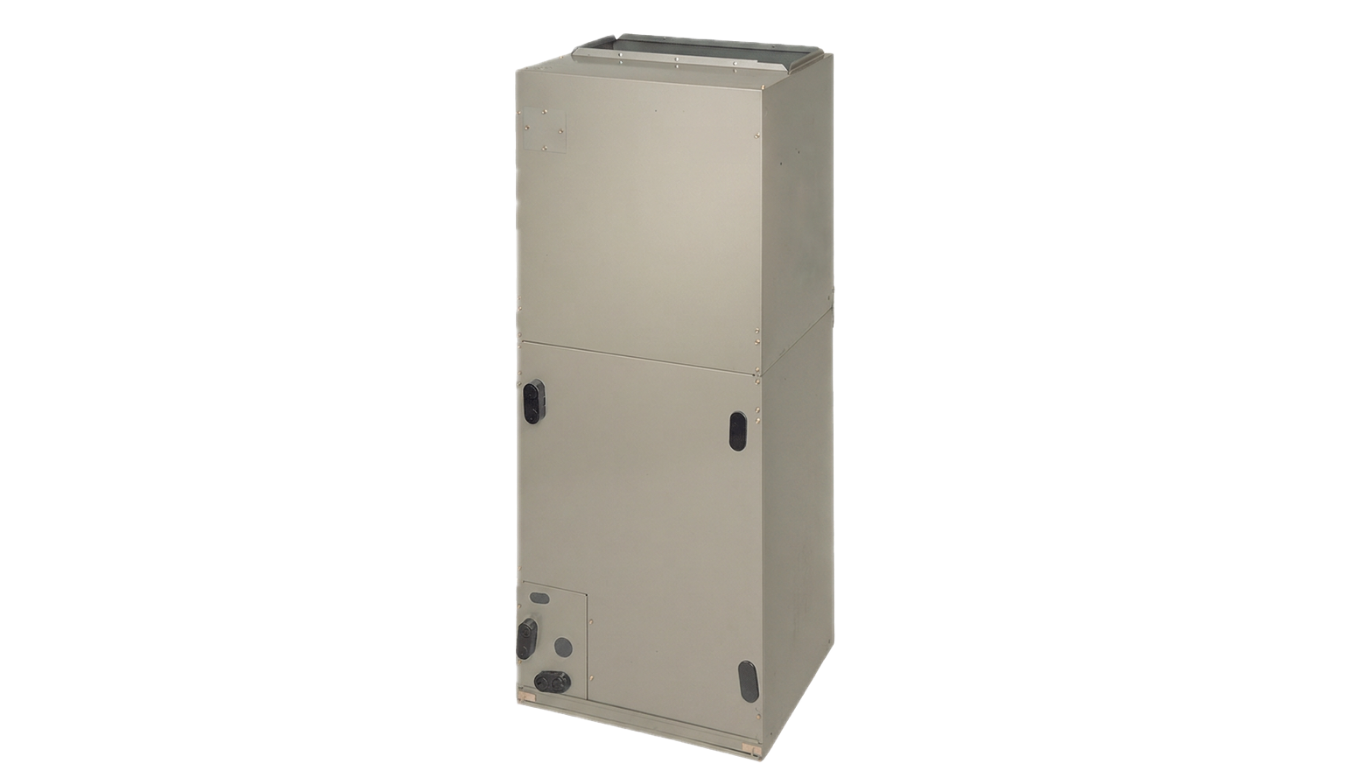
Air Handler
What it is: The indoor part of many ducted heating and cooling systems. It uses a fan to move conditioned air through the home’s ductwork and is commonly paired with a heat pump or air conditioner.
Advantages: Helps distribute air throughout the home and can support filtration and airflow control.
Things to Consider: An air handler does not provide heating or cooling on its own; it needs to be matched with compatible equipment and ductwork.
Hot Water Storage Tank
What it is: An insulated tank that stores heated water so it is ready when someone turns on a hot-water tap. Depending on the setup, the tank may have its own heating source or work with another appliance, such as a boiler.
Advantages: Stored hot water is ready for everyday use, and tanks come in sizes suited to different households.
Things to Consider: Hot water can run low during periods of heavy use. The tank takes up space and loses some heat while water is stored.

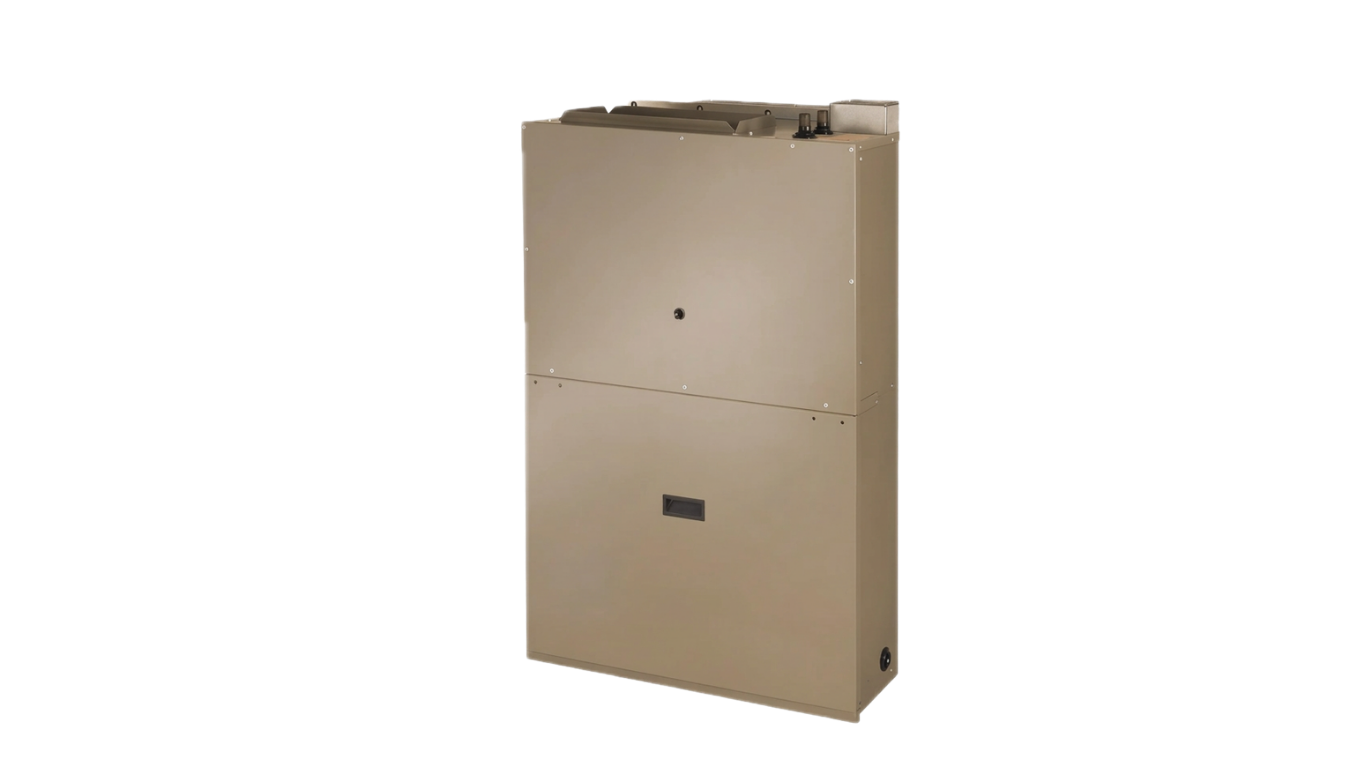
Condo Pak
What it is: A compact, self-contained heating and cooling unit designed for certain condominium and apartment suites. The equipment is typically installed within the suite and connected to its air distribution system.
Advantages: Combines heating and cooling in one unit and gives the suite its own temperature control.
Things to Consider: Replacement options depend on the building’s existing opening, connections and equipment requirements. Condo board or property management approval may also be needed.
Heat Recovery Ventilator (HRV)
What it is: A ventilation unit that brings fresh outdoor air into the home while exhausting stale indoor air. It transfers some heat between the two air streams to reduce heat loss.
Advantages: Provides controlled fresh-air ventilation and helps retain heat during colder weather.
Things to Consider: The filters and unit require routine maintenance. An HRV ventilates the home; it does not replace a heating or cooling system.
%20Background%20Removed.png)
%20Background%20Removed.png)
Energy Recovery Ventilator (ERV)
What it is: A ventilation unit that exchanges stale indoor air for fresh outdoor air. Like an HRV, it transfers heat, but it also transfers some moisture between the air streams.
Advantages: Provides controlled ventilation while helping moderate changes in indoor humidity.
Things to Consider: An ERV does not replace dedicated heating, cooling or dehumidification equipment. The right ventilation setup depends on the home and how moisture is managed.
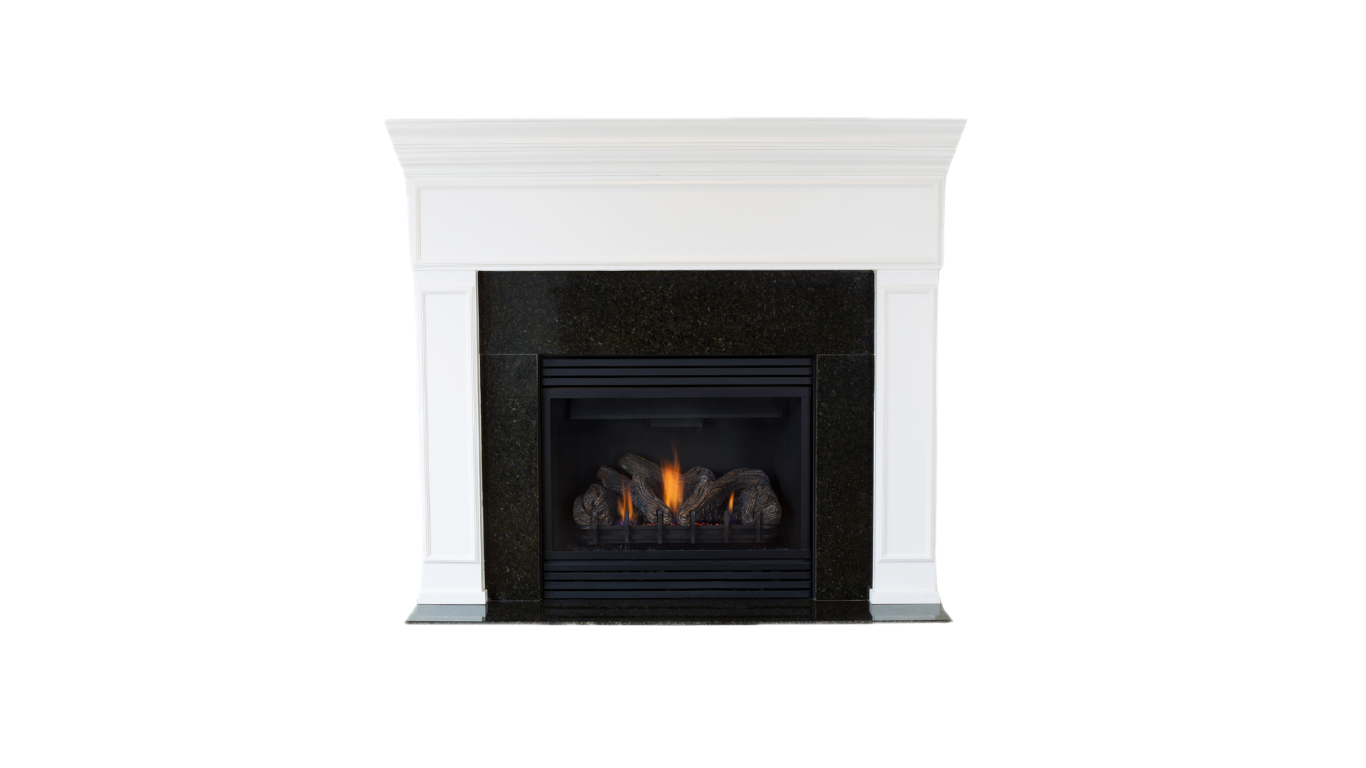
Gas Fireplace
What it is: A fireplace that burns natural gas or propane to provide a visible flame and heat to the surrounding space.
Advantages: Adds warmth and atmosphere to a room without storing or handling firewood. Many models offer convenient controls.
Things to Consider: Heat output varies by model, so a fireplace should not automatically be treated as a whole-home heating system. Installation depends on suitable gas and venting connections, and the unit needs regular service.
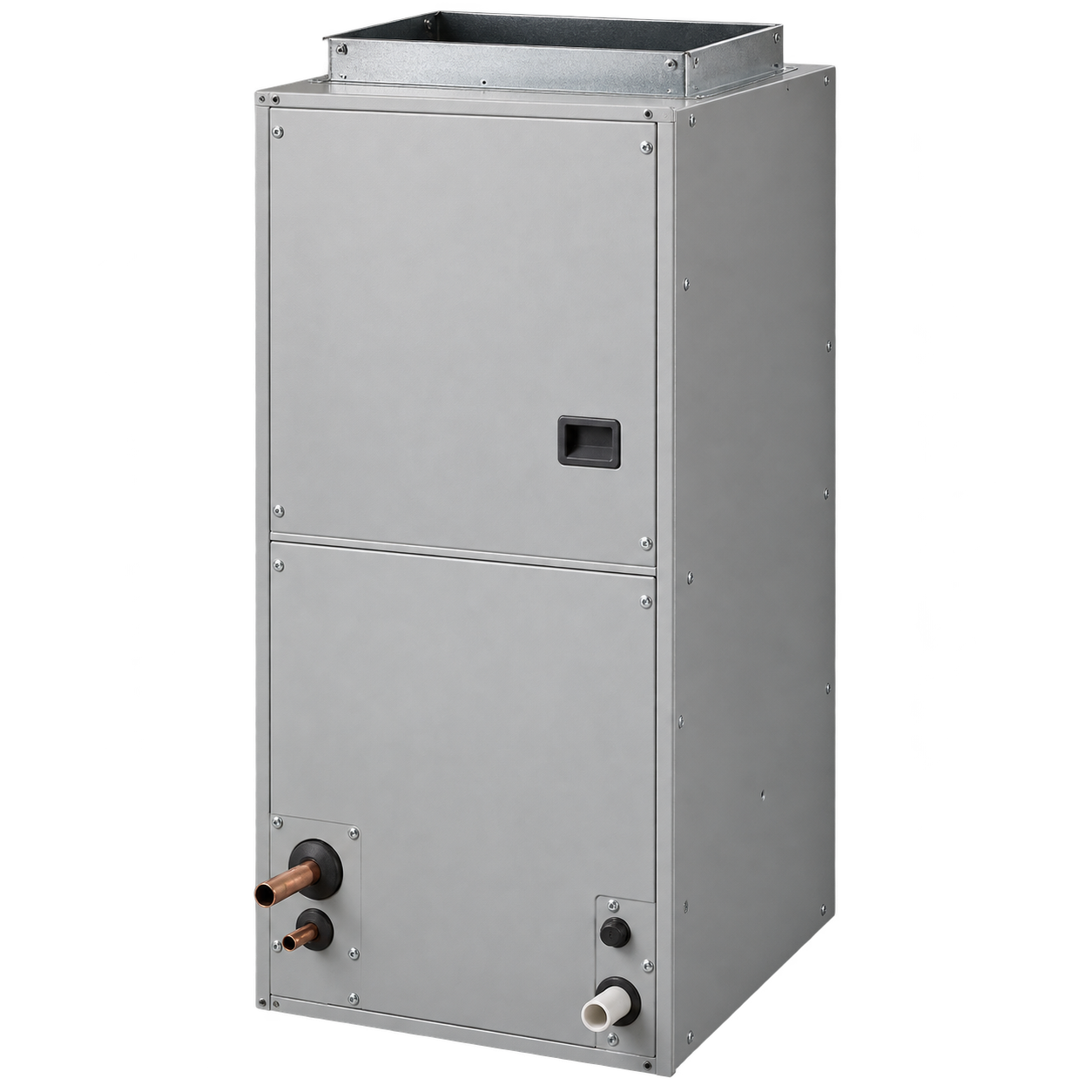
Fan Coil
What it is: An indoor unit that uses a fan to move air over a coil, warming or cooling the air before circulating it through a room or ductwork. It is commonly used in condos and multi-residential buildings.
Advantages: Provides heating and cooling in a compact unit and can offer individual temperature control.
Things to Consider: Performance depends on the connected heating and cooling source. In some buildings, seasonal changeovers may limit when heating or cooling is available.
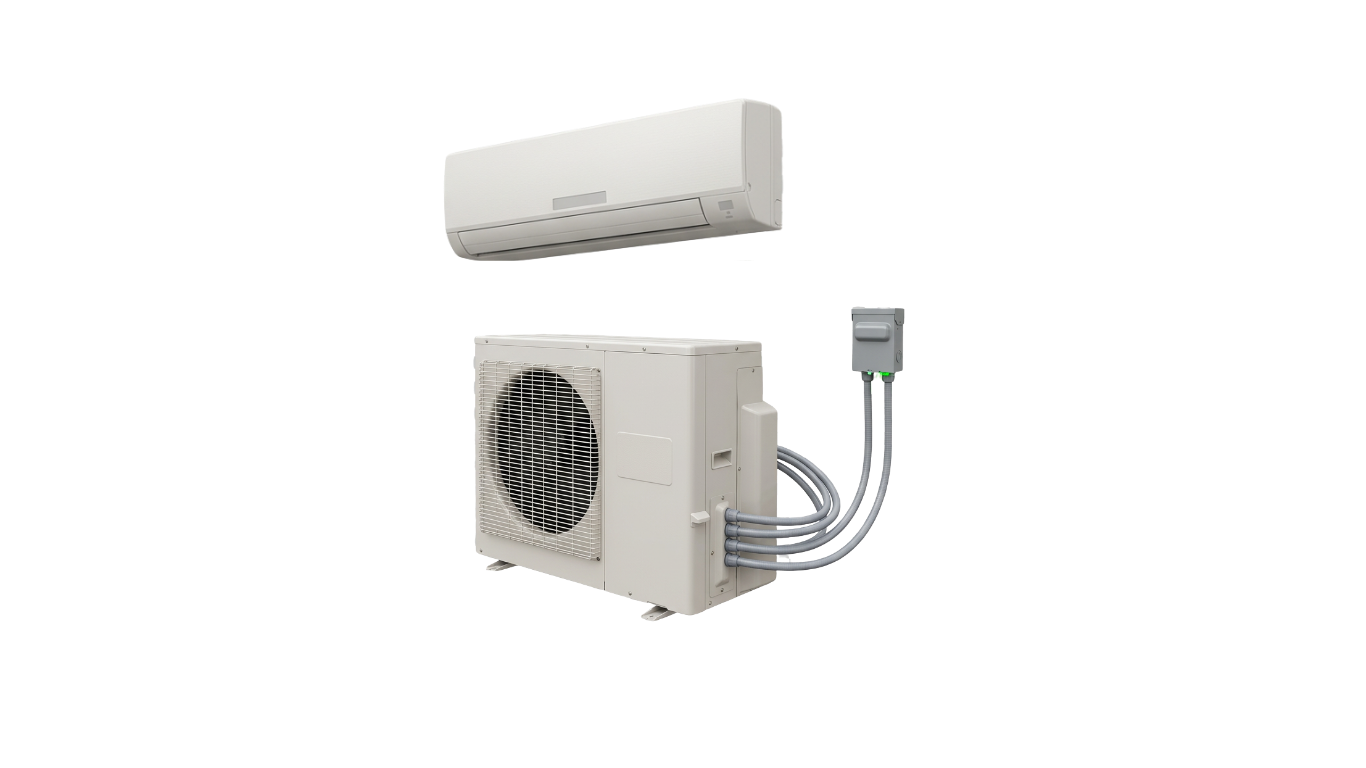
Ductless and Mini-Split Systems
What it is: A heating and cooling system that connects an outdoor unit to one or more indoor units without requiring ductwork. Heat pump models provide both heating and cooling, while cooling-only models provide air conditioning.
Advantages: Offers temperature control for individual rooms or zones and is well suited to homes without ducts, additions and spaces with uneven temperatures.
Things to Consider: Indoor units are visible, and multiple rooms may require separate units. For year-round heating in Ontario, choose a cold-climate model sized for the home’s needs; supplemental heating may be required.
Let’s Find the Right Fit for Your Space
Replacing existing equipment or exploring a new way to improve comfort? Tell us about your home or property and what you’re looking for. Vista can connect you with a local contractor to discuss suitable equipment and available financing options.